
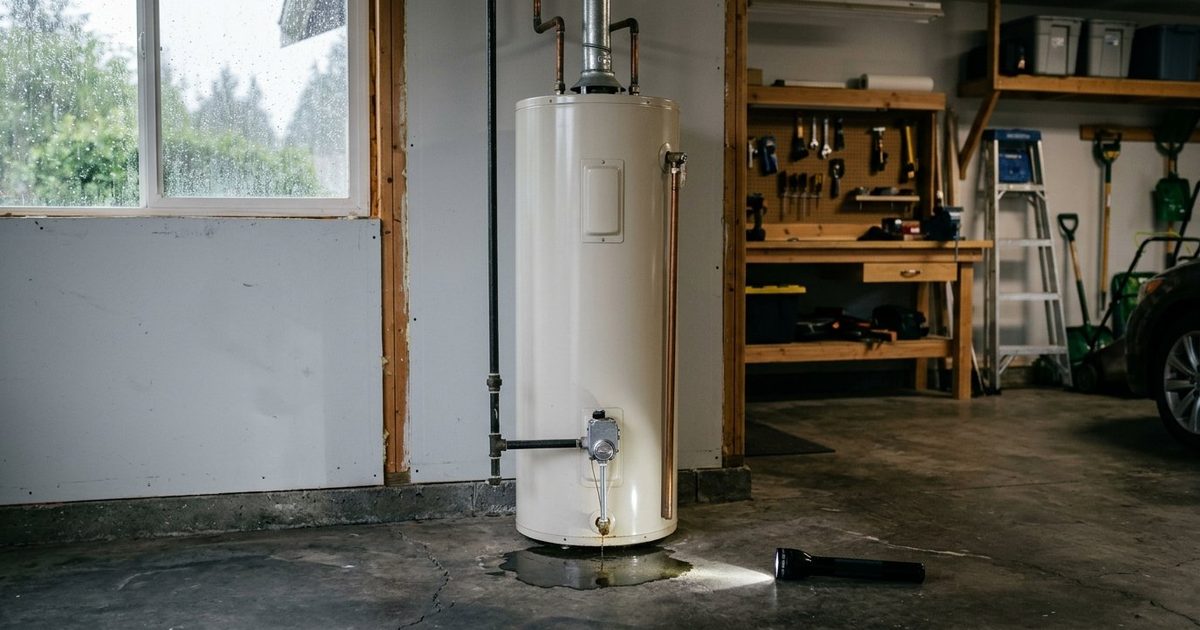
Repair your water heater when a single part has failed and the tank itself is dry and solid. Replace it when the steel tank is leaking, the hot water comes out rusty, or you keep paying for one fix after another. In most Tacoma homes, a short diagnostic visit tells you which side of that line you are on.
Why the Repair or Replace Choice Matters
A water heater rarely dies all at once. It usually gives you a cold shower, a strange noise or a damp spot on the floor first. That is the moment you have to choose.
Choose repair on a tank that is near the end, and you may pay for a part now and a new tank a few months later. Choose replacement on a tank that only needed a thermostat, and you spend far more than you had to. Neither mistake is rare.
Cost matters beyond the repair bill, too. The U.S. Department of Energy notes that water heaters can take up 19% to 32% of a homeowner's utility bill. A tank that struggles to heat wastes some of that money every month, so the running cost belongs in the decision.
Signs a Repair Is Usually Enough
Most water heater trouble comes from one worn part, not a worn-out tank. These problems are often fixed with a part and an hour or two of work.
- No hot water on a gas tank. The pilot will not stay lit, or the igniter or thermocouple has failed. These are common, replaceable parts.
- No hot water on an electric tank. A tripped reset button or a burned-out heating element is the usual cause. Elements can be tested and swapped.
- Hot water runs out fast. On electric tanks, one of two elements has often quit. On gas tanks, a buildup of sediment at the bottom can be part of it.
- Water dripping from the relief valve pipe. The temperature and pressure relief valve may be worn, or the pressure in your system may be too high. Both can be fixed without a new tank.
- A leak at a fitting or valve on top. Loose or corroded connections, a worn drain valve or a tired supply line can all leak. None of them mean the tank has failed.
- Water that is too hot or not hot enough. A thermostat that has drifted or failed can usually be replaced.
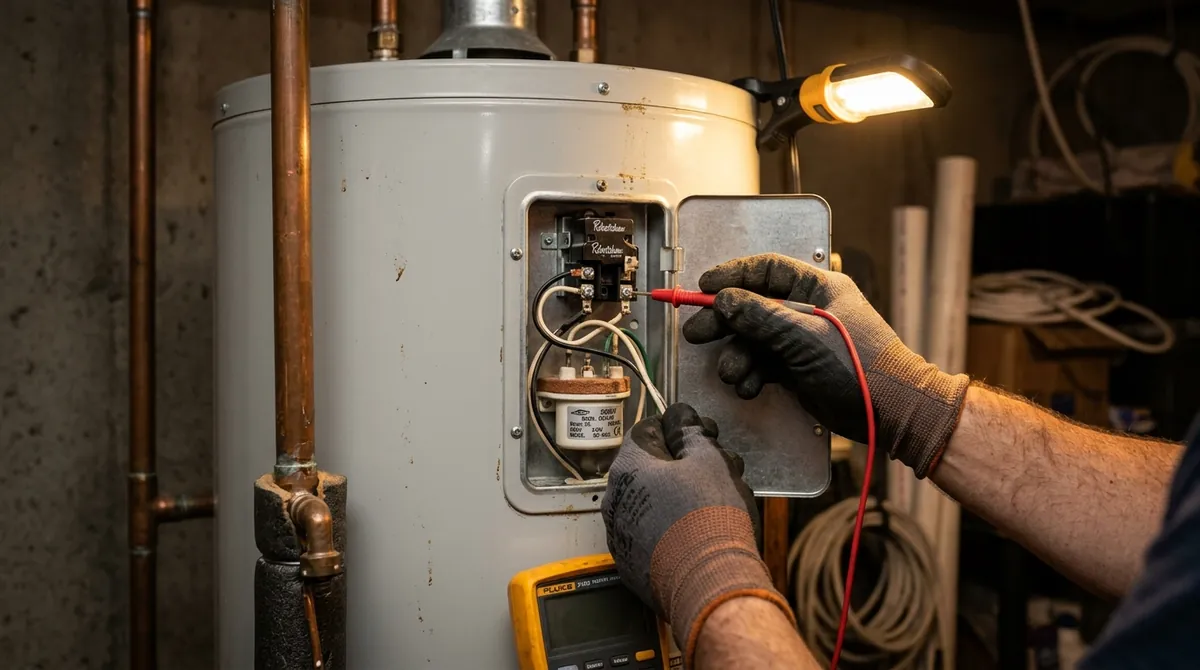
If one of these is your problem and the tank is otherwise in good shape, repair is usually the sensible call. You can read more about what a visit looks like on our water heater repair service in Tacoma page.
Signs It Is Time to Replace the Tank
Some problems cannot be fixed with a part, because the tank itself is the problem.
- Water leaking from the tank body. Once the steel tank rusts through, it cannot be patched. The leak tends to grow, and a full tank holds a lot of water.
- Rusty water from the hot taps only. Rust in the hot water, but not the cold, often means the inside of the tank is corroding.
- Repairs keep stacking up. If you have replaced parts more than once in a short time, the money is often better spent on a new tank.
- Loud rumbling or popping that a flush did not fix. Heavy sediment that will not clear can mean the tank is near the end of its life.
- Not enough hot water for the house you have now. A new bathroom, a growing family or a teenager who loves long showers may simply need a bigger tank.
- An old tank with an unknown history. Check the label on the side of the tank for the manufacture date. If the tank is well past its warranty period and starting to act up, it is worth planning the replacement instead of waiting for a flood.
When the answer is replacement, we help you pick the right size and fuel type and fit it to code. See our water heater replacement in Tacoma page for how the job runs.
What Drives the Cost Either Way
We do not publish a single price for either job, because the right number depends on what we find. Here is what moves the price.
For a repair
- The part that failed. A thermocouple or a heating element costs less than a gas control valve.
- Gas or electric. Gas repairs can involve the burner, venting and gas control, which take more time to test safely.
- Access. A tank in an open garage is quicker to work on than one tucked into a tight closet or a crawlspace corner.
For a replacement
- Tank size and fuel type. A larger tank or a switch between gas and electric changes both the equipment and the labor.
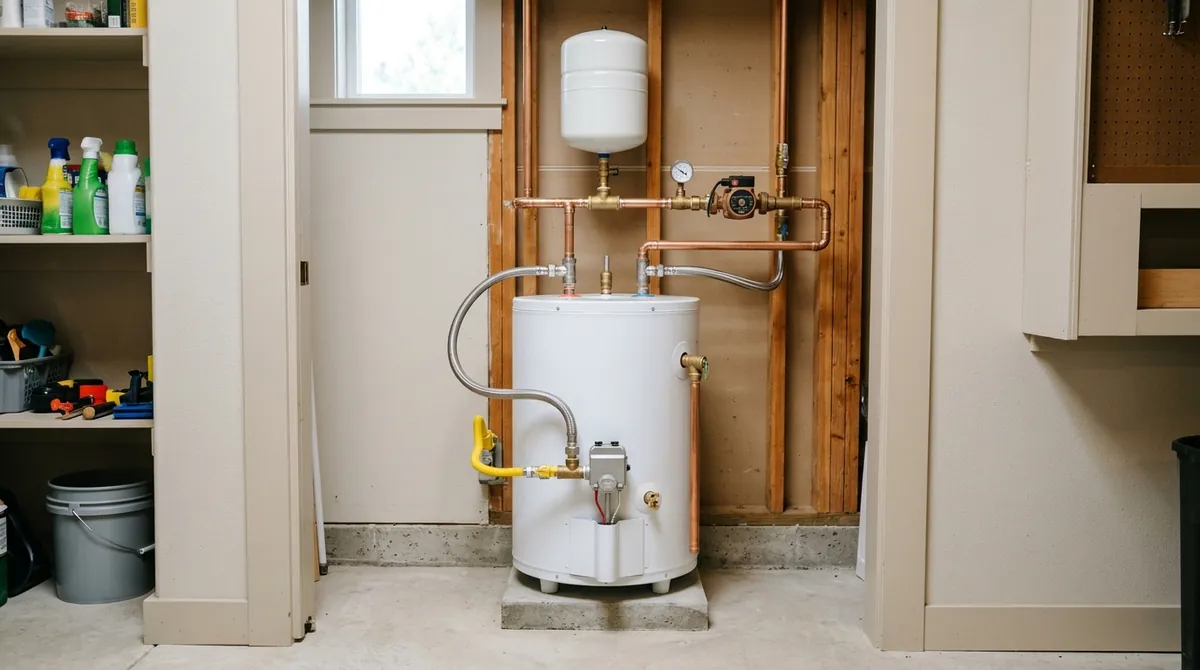
- Code updates. Older installs may need an expansion tank, seismic strapping, a new relief valve line or venting changes to meet current code.
- Location and haul-away. Getting an old tank out of a basement or a tight closet takes more effort than a garage swap.
- Tank or tankless. If you are thinking about going tankless, the gas line and venting needs are different. Our tankless water heater page covers that choice.
How we price it
We work on upfront, flat-rate prices. A $49 diagnostic fee covers finding the cause, and it is waived when you approve the repair. You see the full price, parts and labor included, before any work begins. If both repair and replacement make sense, we give you both numbers so you can compare them side by side.
Questions to Ask Before You Decide
A good plumber should be able to answer these plainly. If you are getting a quote from anyone, ours included, ask:
- What exactly failed, and how did you test it? You want a named part and a reason, not a guess.
- Is the tank itself sound? Ask whether there is any sign of rust or seepage from the tank body.
- What would the repair cost, and what would replacement cost? Seeing both helps you judge whether the repair is worth it.
- Does my current install meet code? If a replacement would need an expansion tank or strapping, you should know before you compare prices.
- Is my tank the right size for my household? If you often run out of hot water, a repair will not change that.
- What warranty comes with the equipment? New tanks carry a manufacturer warranty, and the length varies by model.
What to Do if the Tank Is Leaking Now
If water is coming from the tank body or pooling fast, a few steps limit the damage while you wait for a plumber.
- Shut off the cold water supply to the tank. The valve is usually on the cold line at the top of the heater.
- Turn off the energy source. On a gas tank, turn the gas control to off or pilot. On an electric tank, switch off its breaker at the panel.
- Keep people and pets clear of the hot water. Water inside the tank can stay hot for hours.
- Move boxes and anything valuable off the floor around the heater, and put down towels to steer water toward a floor drain if you have one.
- Do not try to drain a leaking tank yourself unless you know the drain valve is sound. Old drain valves can break and make the leak worse.
Then call us. A leaking tank body is almost always a replacement, so it helps to have the tank's size and fuel type ready when you call.
Water Heaters in Tacoma Homes
Tacoma has a lot of older homes, from the North End and Stadium District to the bungalows of South Tacoma. Many still have water heaters in basements, garages or small utility closets that were set up years ago. Those older installs are where we most often find missing expansion tanks, tired relief valves and venting that needs attention.
The South Sound's wet, cool months also matter. Incoming water is colder in winter, so a tank works harder to reach temperature. A tank that just kept up in summer may start running out of hot water by November. That is often the first sign that an element has failed or sediment has built up, and it is worth a check before the cold snaps of December and January.
If your tank sits in a garage or crawlspace, look at the floor around it every few weeks. A small damp patch is much easier to deal with than a burst tank on a weekend.
Repair or Replace: A Quick Way to Think About It
- One failed part, dry tank, decent hot water until recently: repair is usually right.
- Water from the tank body, rusty hot water, or repeat repairs: plan a replacement.
- Not sure: a diagnostic visit settles it, and the fee is waived if you go ahead with the repair.
Get a Straight Answer on Your Water Heater
If your hot water is acting up, call Rooter-Man Plumbing of Tacoma at (253) 600-1335 or send us a message. A licensed technician will find the cause, tell you whether repair or replacement makes more sense, and give you a flat-rate price before any work begins. Learn more about our water heater replacement service for Tacoma and the South Sound.