Menu

Call This Friday to Get $35 OFF
Call This Friday to Get $35 OFF
 Jan 30, 2026
Choosing the right water heater isn’t just about convenience; it’s also about energy efficiency, comfort, and longevity. Water heating accounts for nearly 18% to 25% of residential energy consumption. That’s a considerable cost that requires you to make the right decision. So if you’re weighing between a gas and electric water heater, you’ve come to the right place.
In this post, Rooter Man Plumbing breaks down the differences to help you make a choice that fits your household, budget, and lifestyle. If you’re considering water heater replacement in the near future, this post is for you.
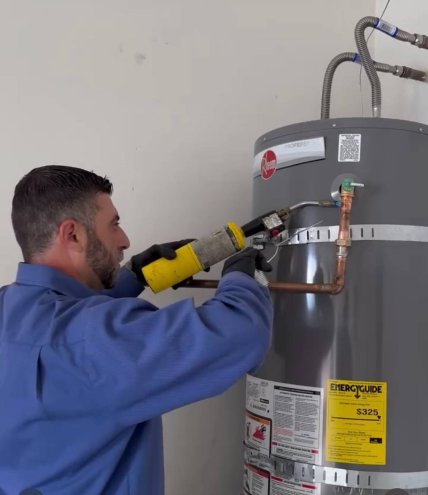
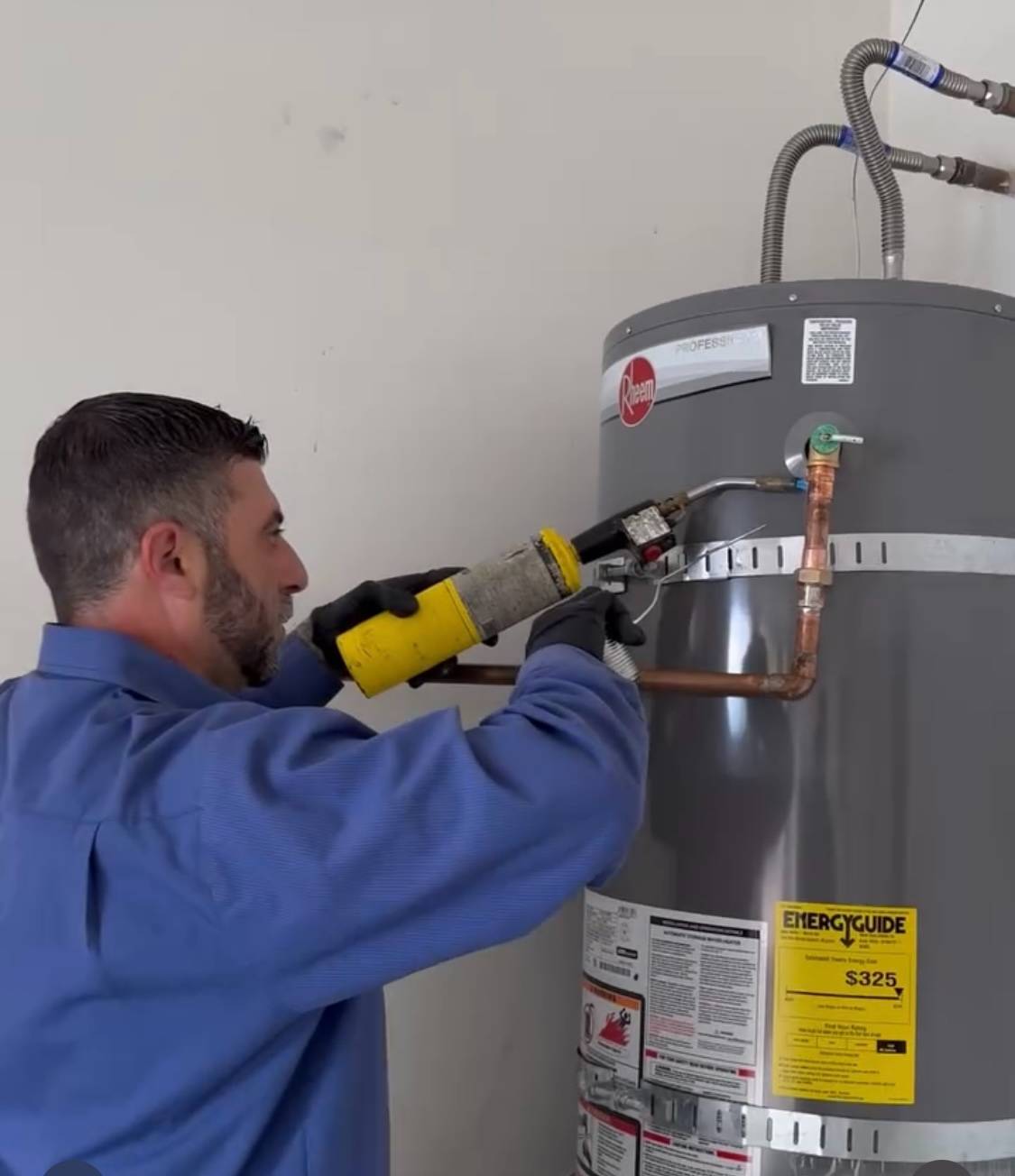
Gas water heaters use natural gas or propane to heat water. A burner located at the bottom of the tank heats the water, and a flue vents combustion gases safely outside the home. On the other hand, electric water heaters rely on heating elements inside the tank to warm the water.
Electric water heaters are usually cheaper to install because they don’t need gas connections or venting. You can expect to pay between $1,500 and $3,000 for electrical water heater installation. On the other hand, a gas-powered water heater costs a little more to install due to gas line upgrades, complex venting requirements, and permit acquisition. The average cost of installing a gas water heater ranges from $2,000 to $5,000.
Upfront costs for water heater installation are one thing, but operational costs are entirely another. Gas water heaters are cheaper to run day-to-day, especially for larger households. Modern, high-efficiency gas-powered water heaters outperform standard electrical heaters in terms of operating costs. We understand that there are high-efficiency electric water heaters as well, but still their gas-powered counterparts outperform them when it comes to running costs. If your heating bills keep rising, it may be time to consider upgrading to a more energy-efficient water heater. Consult with a local plumbing repair service if you need professional guidance.
Both conventional gas and electric water heaters last between 8 and 12 years, depending on usage, water quality, and maintenance. Electric models tend to require less maintenance because they have fewer components that can fail. Gas units, on the other hand, need periodic inspections of burners, vents, and gas connections to ensure safe operation. Tankless models last between 15 and 20 years depending on maintenance, water quality, and the quality of installation. This is because they do not store water as in the case with storage water heaters. Whether you choose a conventional unit or a tankless system, leave the installation job to a trusted plumbing repair service.
Electric water heaters eliminate the risk of gas leaks and carbon monoxide exposure, making them safer in some respects. Gas water heaters are safe when installed and maintained correctly, but they require proper ventilation and regular inspections to prevent hazards. Make sure you hire a qualified and licensed plumber in Tacoma, WA when it’s time to repair or replace your water heater.
If your current water heater has been showing signs of age, it might be time to consider installing a new one. You don’t want to find yourself without hot water in the middle of winter—the earlier you take action, the more likely you are to avoid unexpected breakdowns, emergency repairs, and costly water damage. Choosing between a gas vs. electric water heater is easier with professional help, and the experts at Rooter Man Plumbing are ready to guide you every step of the way. We’ve proudly offered dependable water heater services for over 40 years. Reach out today to book an appointment!