You need professional drain cleaning when a drain clogs again soon after you clear it, when drains gurgle or smell like sewer, or when more than one drain backs up at the same time. Those signs mean the blockage sits deeper than a plunger can reach, and in many Tacoma homes it's in the main line rather than one sink.
Below are the signs in more detail, a quick way to tell a single clog from a main line problem, where do-it-yourself fixes stop, and what a drain cleaning visit involves and costs.
Why a Slow Drain Is Worth Taking Seriously
Most clogs don't happen overnight. Hair, soap, grease, food scraps and wipes build up over weeks until water pools and sits. A slow drain is the early warning, and it's the cheapest point to deal with it.
Grease is the big one. The City of Tacoma's Environmental Services team says that nearly half of all sewer blockages are caused by improperly disposed fats, oils, and greases. Grease goes down warm and liquid, then cools and sticks to the inside of the pipe. The city warns that this buildup leads to sewer backups that can flood a home.
Left alone, a partial clog in a branch line becomes a full stop, and a partial clog in the main line can push sewage up through the lowest drain in the house.
Seven Signs You Need Professional Drain Cleaning
If you notice any of these, the clog is likely growing.
- The same drain clogs again within days or weeks. Plunging or a store-bought cleaner opened a hole through the clog but left most of it in the pipe.
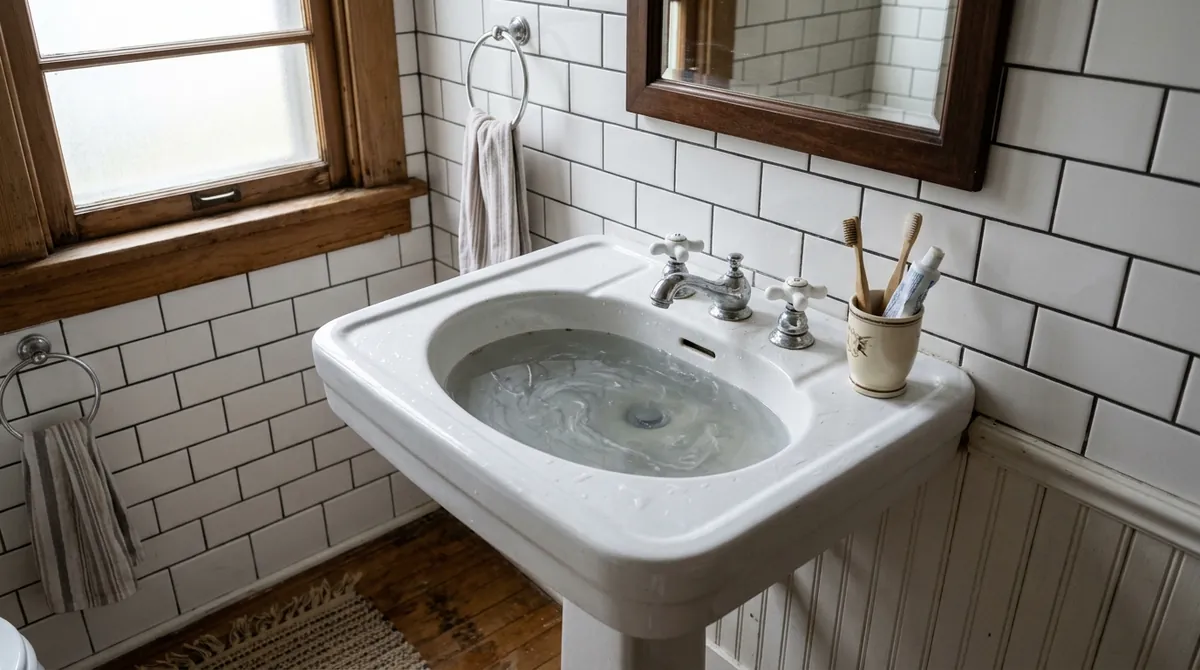
- Water drains slowly from a sink, tub or shower and the stopper and trap are clean.
- Gurgling after you flush or drain. Air trapped behind a partial clog bubbles back up through the nearest open drain.
- Sewer smells from drains, especially floor drains or a basement shower, that don't go away after you run water.
- More than one drain backs up at once. Several fixtures acting up together usually means the main line, not one sink.
- Water comes up in the tub or shower when you flush or when the washer drains. That points to a blocked main line. Stop using water and call.
- The washer drain overflows during a cycle, or water appears around the floor drain on laundry day. Lint and soap can pack the laundry line until it can't keep up with the pump.
One Clogged Drain or the Main Line?
This is the question that decides the job, and you can usually answer it in a few minutes.
It's probably one drain if only one fixture is slow and everything else in the house drains normally. Bathroom sinks clog with hair and soap. Kitchen sinks clog with grease and food. Tubs and showers clog with hair. These are branch line clogs, and they're the simpler job.
It's probably the main line if:
- two or more fixtures are slow at the same time, especially on the lowest floor
- the toilet gurgles when you run the bathroom sink
- water backs up into the tub or a floor drain when you flush or do laundry
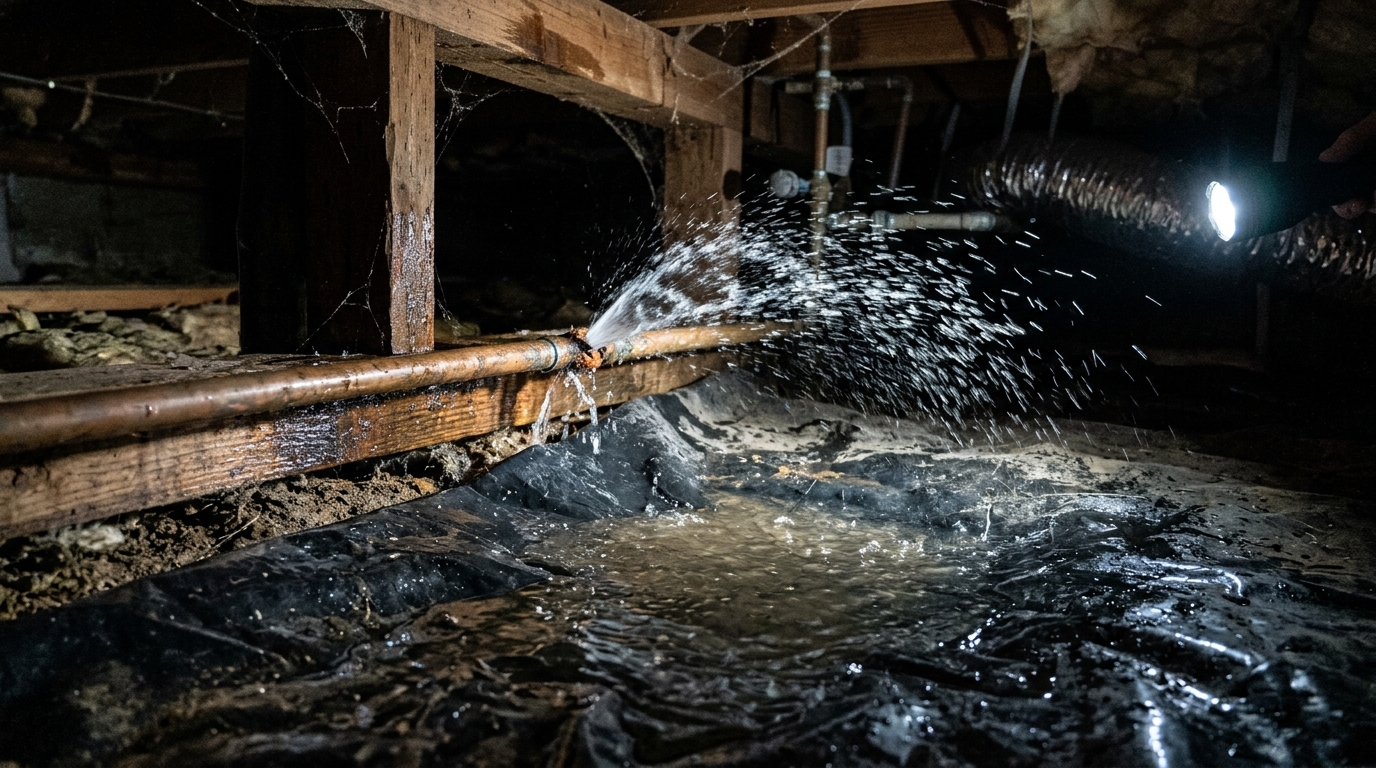
- you see water around the sewer cleanout outside or in the crawlspace
The main line carries everything from the house to the city sewer. When it's blocked, every drain in the house is affected, and the lowest one overflows first. If you think it's the main, stop running water until it's cleared. If sewage is already coming up and you can't stop using water, that's an emergency. Our guide on when to call an emergency plumber covers what to do first.
What to Try First, and Where DIY Stops
For a single slow drain, a few things are worth trying before you call.
- Clean the stopper and strainer. Bathroom sink pop-up stoppers collect a surprising amount of hair.
- Use a plunger. A cup plunger for sinks and tubs, a flange plunger for toilets. Block the overflow hole on a sink or tub so the pressure goes down the pipe.
- Clean the trap under the sink, if you're comfortable with it. Put a bucket underneath first.
Where we suggest you stop:
- When the clog comes back. A drain that needs plunging every week has a buildup deeper in the line that a plunger won't remove.
- When more than one drain is slow. No amount of plunging clears a main line.
- Before reaching for chemical drain openers on a repeat clog. They rarely clear grease or roots, they sit in the pipe when they don't work, and they're hazardous for whoever opens the line next. If you've already used one, tell your plumber.
- When you'd need to rent a drain machine. A long cable in inexperienced hands can kink, get stuck or damage older pipe.
What a Professional Drain Cleaning Visit Involves
Here's what happens when we come out to clear a drain.
- We find the clog. We ask what you've noticed, run water at a few fixtures and work out which pipe is blocked and how far down.
- You get a flat price first. Before we start, you get a flat price for the job. You decide, with no pressure and no hourly clock.
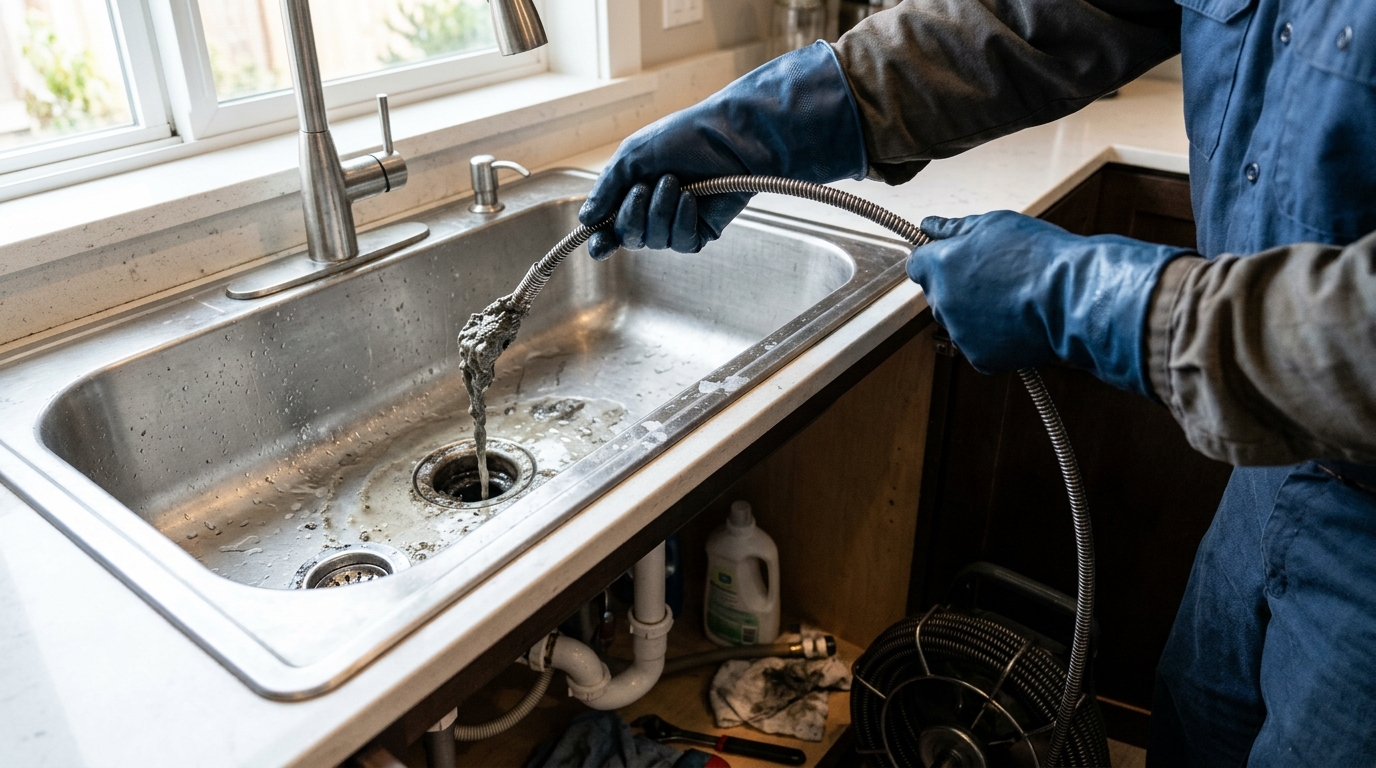
- We clear the line. We feed a cable machine, the tool people call a rooter, through the drain or the cleanout. Its spinning head cuts through the clog and pulls debris back out.
- We test it and clean up. We run water to prove the line flows, clean the work area and tell you how to keep it clear.
Typical times once we're on site: about an hour for a single sink or tub, one to three hours for a main line, and two to four hours when a camera check follows the cleaning.
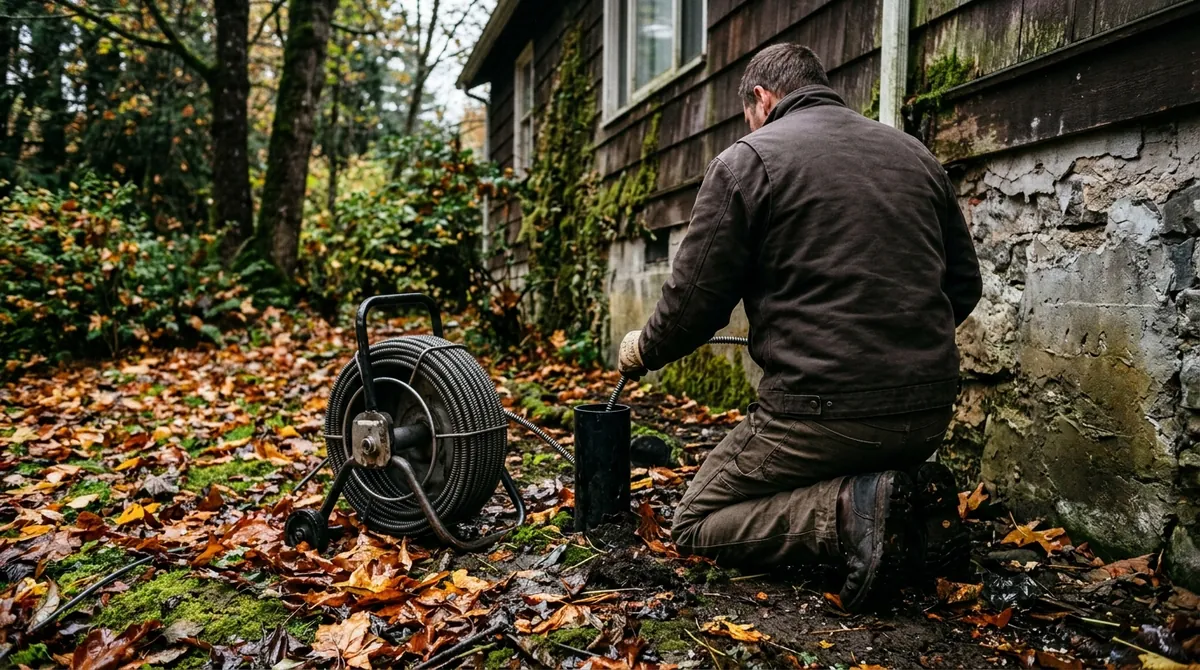
When a camera makes sense. If a main line keeps clogging, the cause is often inside the pipe: roots growing into joints, a sag where waste settles, or a crack. A sewer camera inspection shows you the inside of the line on a screen, so you can see what's there before deciding on a fix.
When cabling isn't enough. Heavy grease and roots sometimes need hydro jetting, which scours the pipe walls with high-pressure water. Our guide to hydro jetting vs snaking explains which fix fits which clog.
What Drain Cleaning Costs in Tacoma
We charge a flat rate for most drain cleaning, with parts and labor included and no hidden fees. You know the price before work begins. If we need to diagnose the problem first, the $49 diagnostic fee is waived when you approve the repair.
What changes the price:
- Which drain is blocked. A sink trap is simpler than a main line under the house or yard.
- Cleanout access. A clear, easy cleanout saves time. No cleanout may mean pulling a toilet to reach the line.
- What caused the clog. Hair and soap clear easily. Roots or heavy grease may need hydro jetting.
- A camera inspection, if you want one, is priced up front.
- Location and access. Crawlspaces, tight spots and long runs add work, and we price that before we start.
Our regular hours are Monday to Saturday, 8 AM to 5 PM. A real person answers the phone 24/7, and if a backup can't wait, we can send a plumber at night for an after-hours fee, quoted before work begins.
Drain Clogs in Tacoma Homes
Where you live in Tacoma says a lot about what's in your drains.
Older homes and tree roots. Many early 1900s homes in the North End and the Proctor District still have clay side sewers. Street tree roots creep into the joints, catch paper and grease, and cause main line clogs that come back every year or two.
Decades of buildup. In South Hill subdivisions built from the 1980s to the 2000s, buildup has had decades to collect in the main line. Several slow drains at once in these homes usually point to the main, not each fixture.
Wet winters. Long stretches of autumn and winter rain put extra load on side sewers that are already partly blocked. Backups often show up after a heavy storm.
How to Keep Drains Clear
A few habits prevent most clogs.
- Grease goes in the garbage, not the sink. The City of Tacoma suggests pouring cooled cooking oil and grease into a sealed container, like an empty milk carton, and putting it in the trash.
- Use strainers in kitchen sinks and hair catchers in showers.
- Flush only toilet paper. "Flushable" wipes don't break down like paper does.
- Treat the kitchen drain once a month. We sell Liquid Rooter Bio, a bio enzyme tablet that digests grease and buildup overnight. Fill the sink, drop in one tablet, drain it before bed. It's biodegradable and septic safe, and one container of 12 tablets lasts a year. Call us to order.
- Put drain cleaning on a schedule. Our membership plans include a yearly secondary drain cleaning, plumbing inspection and water heater flush.
If your kitchen sink is the one that keeps clogging, our kitchen plumbing team also handles disposals and the pipes under the sink.
Drain Still Slow? Call Rooter-Man
If a drain keeps coming back, gurgles, smells or backs up with other fixtures, call Rooter-Man Plumbing of Tacoma at (253) 600-1335 or send us a message. A real person answers 24/7, and you get a flat price before any work begins. Learn more about our drain cleaning and rooter service for Tacoma and the South Sound.